 by
by UAE Car Care
Your car is not damaged by one thing. It’s damaged by where you park and where you drive.
Ask ten UAE drivers where their car picked up its worst mark and you’ll hear ten stories: a runaway trolley at Mall of the Emirates, gravel flung off a truck on the E11, a night parked outside in a shamal wind. The damage type matters less than the source. Once you know the source, you can decide whether the risk is worth changing your habits over.
The two big worlds of car damage
Slow damage vs. sudden damage
Every source of car damage in the UAE falls into one of two buckets. Slow damage is what the desert, the sun and the humidity do to your paint over months. Sudden damage is what happens in a single second: a trolley, a stone, a child’s bike leaning on your door. Both are expensive, but they behave very differently, and they call for very different defences.
The comparison below sorts the usual suspects into the good news and bad news columns, so you can see at a glance which risks you can actually control.
Slow damage vs. sudden damage: what actually happens
- Sandstorms and shamal winds sandblast the clear coat, leaving swirl-like haze on horizontal panels.
- UV and 45 °C summers oxidise paint and fade black plastic trim.
- Bird droppings and tree sap etch through the lacquer within hours in direct sun.
- Underground parking humidity encourages condensation on cold panels, feeding rust in door seams.
- Coastal air in Ras Al Khaimah, Fujairah and along the Corniche carries salt that pits chrome and brake rotors.
- Door dings in tight mall bays, especially rooftop levels at Deira City Centre and Dubai Mall.
- Shopping trolley strikes in windy hypermarket lots like Lulu and Carrefour.
- Highway gravel off trucks on Sheikh Zayed Road, E311 and the Al Ain highway.
- Construction debris around active sites in Business Bay, JVC and downtown Sharjah.
- Children’s bicycles and scooters leaning against parked cars in villa compounds.
- Automatic brush car washes that drag trapped grit across the paint.
Where the environment attacks your paint
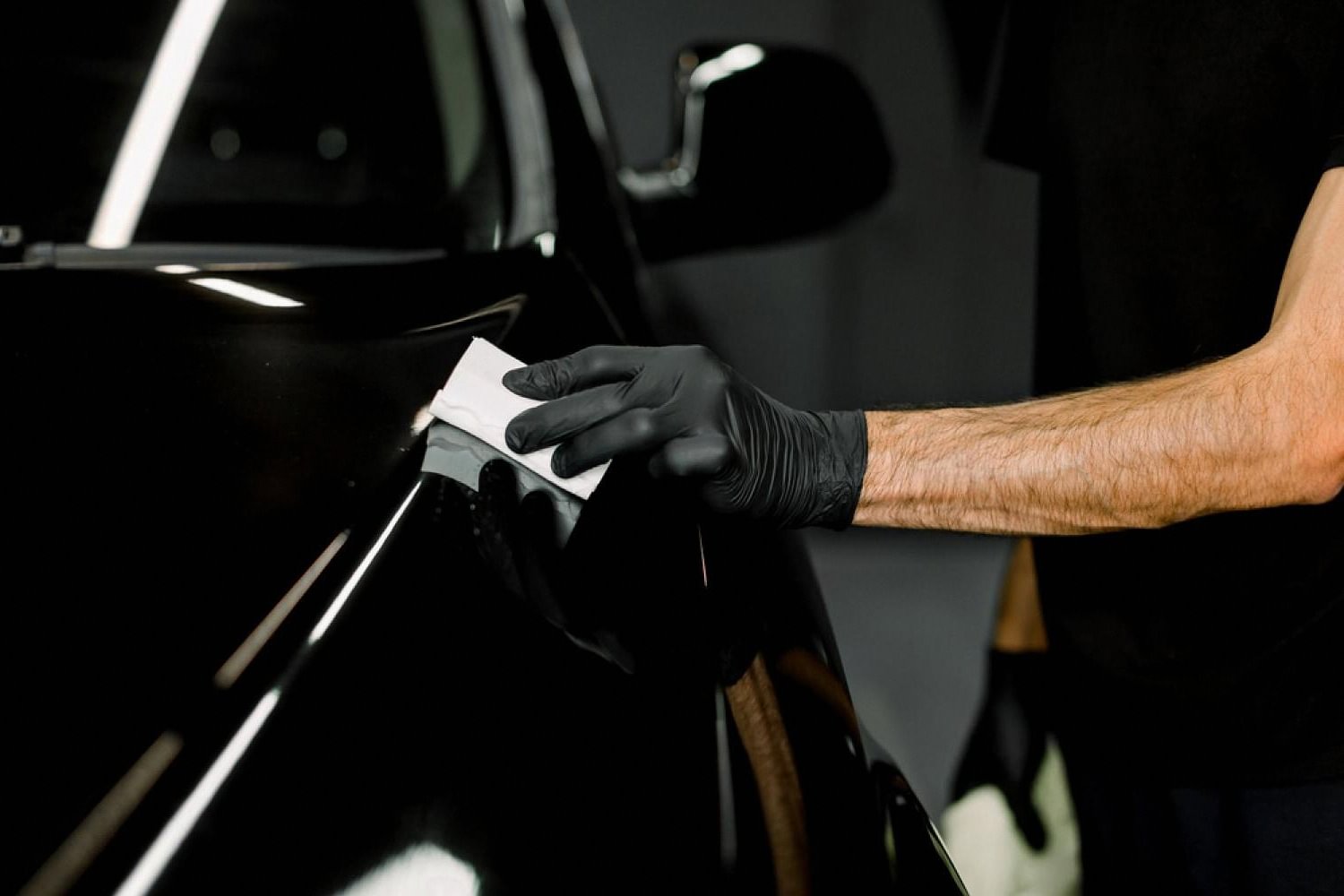
The UAE’s climate is unusually hard on cars. According to the National Center of Meteorologydust storms are a regular feature between March and August, and airborne particles during a strong shamal can carry fine quartz that behaves like sandpaper on a moving vehicle. That’s why cars parked in Al Quoz or on open sand plots in Sharjah often look duller after a season than identical cars kept in covered parking in Dubai Marina.
Bird droppings deserve their own warning. On a summer afternoon, uric acid combined with a panel temperature above 60 °C will burn a permanent shadow into the clear coat in under two hours. Tree sap does the same thing more slowly, which is why the ghaf and neem trees around older Jumeirah villas are lovely for shade and terrible for paint. Underground parking has the opposite problem: cool concrete plus humid Gulf air produces condensation inside door skins, and any chip that has broken through the paint can quietly turn into a rust bloom.
None of this needs bodywork. Most of it needs regular washing, a wax or ceramic layer, and same-week attention when droppings or sap land. When the haze does set in, a proper machine polish and scratch repair session can restore the surface without repainting the panel.
“If you only do one thing this summer, wash off bird droppings the same day. Nothing else on a UAE car destroys clear coat faster in July.”
Where other people (and other cars) attack your paint
The second world of damage is human. Mall parking is the classic case. Rooftop levels at Dubai Mall and Mall of the Emirates fill up on weekends, bays are narrow, and doors open into your paint whether the neighbour meant it or not. Trolley bays are often too far from the parked cars, so a gust of wind on a Friday afternoon at Lulu Barsha is enough to send a loaded trolley rolling into a door.
Highways add a different flavour. The far-right lane on Sheikh Zayed Road picks up gravel thrown off construction trucks running between Jebel Ali and Abu Dhabi. Two seconds behind a tipper is enough for a stone chip on the bonnet or a starburst crack on the windscreen. On the E311 and Al Ain roads, the risk peaks after any road works, because loose material sits at the edge of the tarmac for weeks.
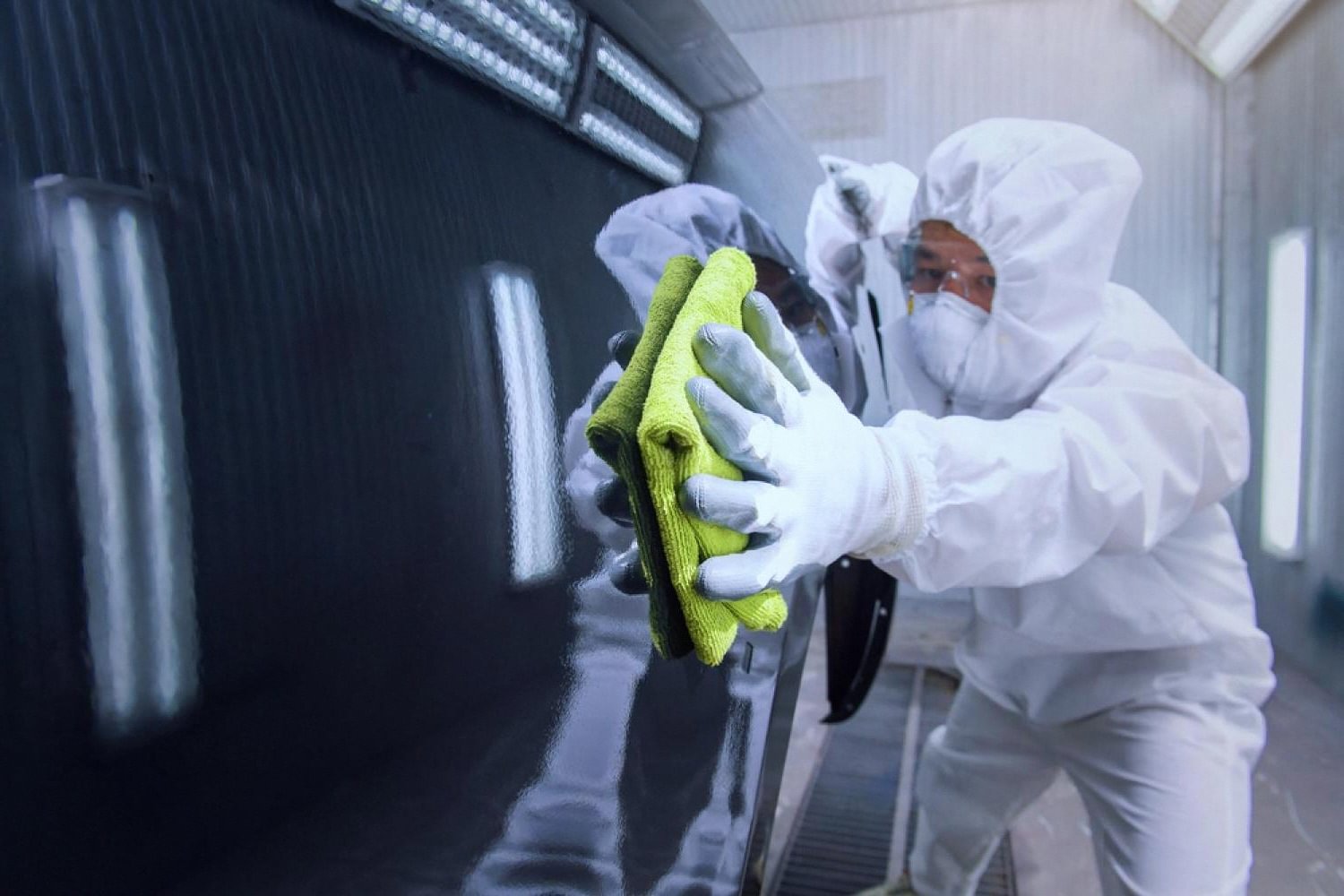
Beach parking on Kite Beach or in Umm Suqeim brings sand and salt onto brake components. Villa compounds in Mirdif and Al Warqa introduce their own hazard: children’s bikes, scooters and footballs. And then there are the car washes themselves. A hand wash with clean mitts is fine. An automatic brush that hasn’t been serviced is one of the more efficient ways to install a full car’s worth of swirl marks in under five minutes, because it drags the previous car’s grit across your paint.
The UAE damage heat map
If you drew a heat map on a typical sedan in Dubai, the hot zones would cluster in predictable places. The bonnet and lower bumper take highway hits. The doors, especially at handle height, take mall dings. The roof and boot lid absorb sandstorm haze and bird droppings. The lower rocker panels and wheel arches take salt spray and beach sand. The rear quarter panel, oddly, is the trolley zone, because that’s where trolleys drift when a driver walks away too fast.
By driving style
Who gets hit hardest?
- Urban drivers (Downtown, Deira, Bur Dubai): door dings, trolley strikes, tight-bay scrapes on bumpers.
- Highway commuters (Dubai to Abu Dhabi, Sharjah to Dubai): stone chips, windscreen cracks, sand haze from long open stretches.
- Off-road weekenders (Liwa, Hatta, Al Qudra): underbody scrapes, pinstriping from dune grass, sand pitting on lower panels.
- Coastal drivers (Corniche, Fujairah, RAK): salt corrosion, faster wheel and brake wear, cloudy headlights.
- Villa-based families: bike and scooter scratches, tree sap, sun fade on the side that parks in the driveway.
What to protect first, in order
- The bonnet and front bumper. They take the highway hits. Paint protection film is worth it if you drive the E11 or E311 daily.
- The doors at handle height. Door edge guards or a discreet clear film handle 90% of parking-lot damage.
- Horizontal surfaces. A yearly ceramic coat or a good sealant gives sandstorms and bird droppings something to hit before they reach the clear coat.
- The rocker panels. If you drive to the beach, rinse them the same day. Salt does not wait.
- The windscreen. Keep a two-second gap behind trucks, and get chips resin-filled before they crack, most workshops in Al Quoz do it in under an hour.
When to fix, when to live with it
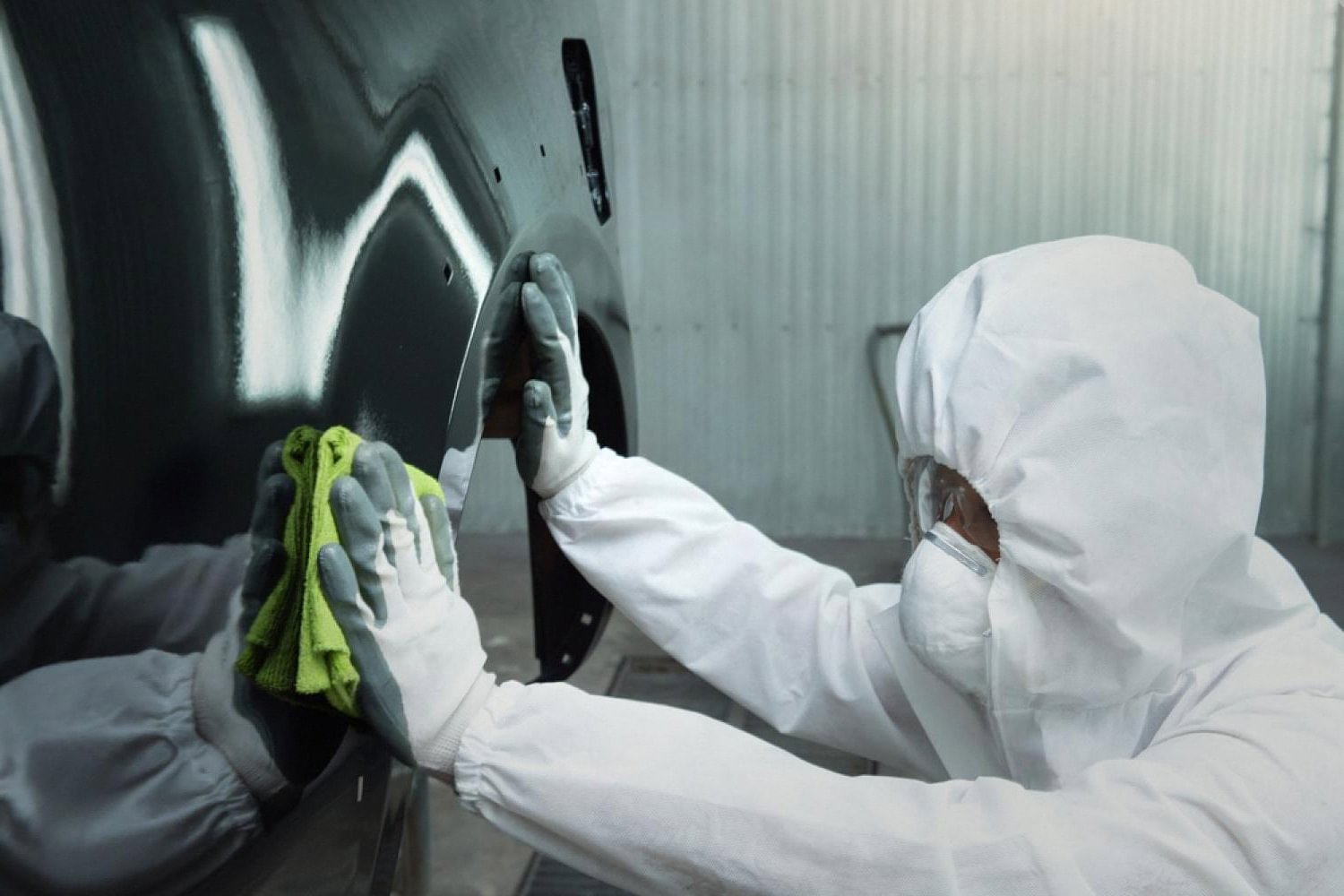
Not every mark needs the body shop. Light swirl haze from a bad car wash usually polishes out. A trolley scuff on a bumper is often paint transfer that comes off with compound and a microfiber. Deeper scratches that catch a fingernail are the ones that need real work, and putting them off is expensive, because bare metal in Gulf humidity rusts fast. A quick professional car scratch repair is far cheaper than a repaint six months later once corrosion has started.
The honest answer to “where does your car receive the most damage?” is: not on the highway, and not in the storm. It’s in the two hours a day it spends stationary in a parking lot next to other people. Fix that habit, and you fix most of the problem.
Frequently asked questions
Are sandstorms really bad for car paint in the UAE?
Yes, but not in the way most people think. A single sandstorm rarely leaves visible damage. The problem is cumulative: fine dust wedged under a windscreen wiper, or dragged across a bonnet when you wipe it dry with the wrong cloth, produces micro-scratches that build up over years and turn a glossy panel hazy.
The fix is simple. Rinse the car with plenty of water before touching it with anything, and never dry-wipe a dusty car.
Is underground parking safer than surface parking in Dubai?
Mostly yes. You avoid UV, heat soak, bird droppings and sandstorms. The trade-off is humidity: cool concrete plus warm Gulf air causes condensation on car panels, which accelerates rust wherever the paint has been chipped.
If you park underground daily, get chips and scratches repaired promptly rather than waiting a season.
Are automatic car washes safe for my paint?
Modern touchless washes are fine. Older automatic brush washes are risky, especially in busy locations where the brushes carry grit from the previous cars. If you use one and start seeing spider-web swirl marks under direct sun, that’s the cause.
A monthly hand wash from a well-run detailer is usually gentler and not much more expensive.
How often should I wash my car in the UAE?
Once a week is a good baseline. In dust-storm season or if you park outdoors, every three or four days is better, because sand baked onto the paint by direct sun becomes harder to remove without scratching.
Always deal with bird droppings and tree sap the same day, they don’t wait for your next wash.
Is paint protection film worth it in Dubai?
For daily highway commuters, yes. The E11 and E311 throw enough gravel that a bonnet without protection typically shows visible chips within a year. Film costs less than a repaint and preserves resale value.
For drivers who mostly stay in the city, a good ceramic coating plus door edge guards usually gives enough protection at lower cost.
What’s the single biggest cause of car scratches in the UAE?
Parking lots, by a wide margin. Door dings, trolley strikes and tight-bay bumper scrapes account for the majority of small-claim damage that workshops in Dubai and Sharjah see. Highway stone chips are second, sandstorm haze third.
Choosing end-of-row bays and pulling forward through empty spots removes most of the risk with no cost at all.
Do I really need to worry about salt if I drive on the coast?
If you’re near the Corniche, Fujairah or the RAK coast regularly, yes. Salt spray accelerates corrosion on brake components, exhaust hangers and any exposed metal in the wheel wells. It won’t destroy a modern car quickly, but it will shorten the life of consumables.
A quick underbody rinse after every beach or coastal trip is enough to handle it.

Football fan, hustler, record lover, Swiss design-head and brand builder. Making at the sweet spot between aesthetics and mathematics to give life to your brand. I’m fueled by craft beer, hip-hop and tortilla chips